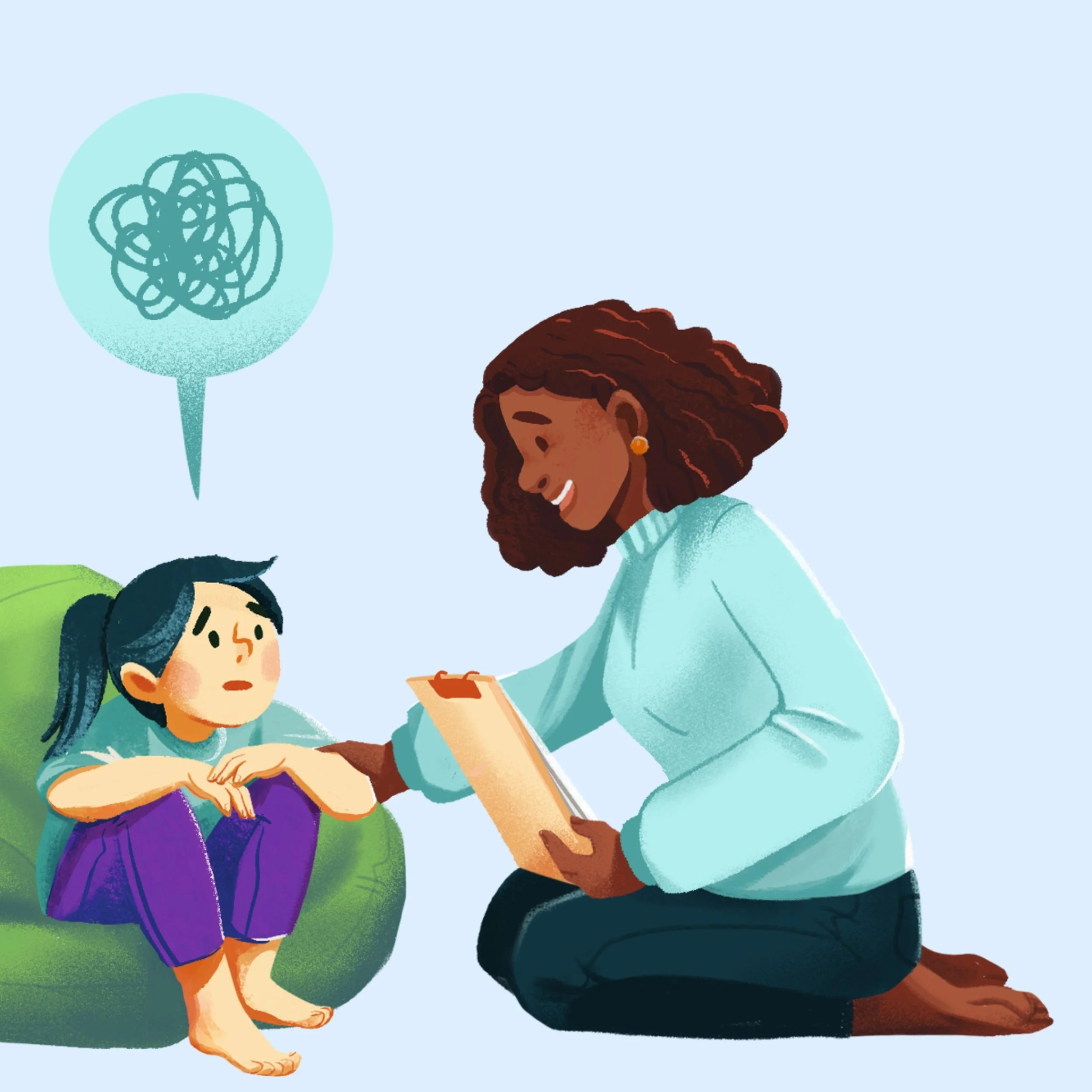
Children’s mental health is a public health priority. Figures are alarming: in Europe, 1 child in 5 under the age of 12 suffers from a behavioral, developmental or psychological disorder. This number continues to increase, especially after the Covid-19 pandemic.
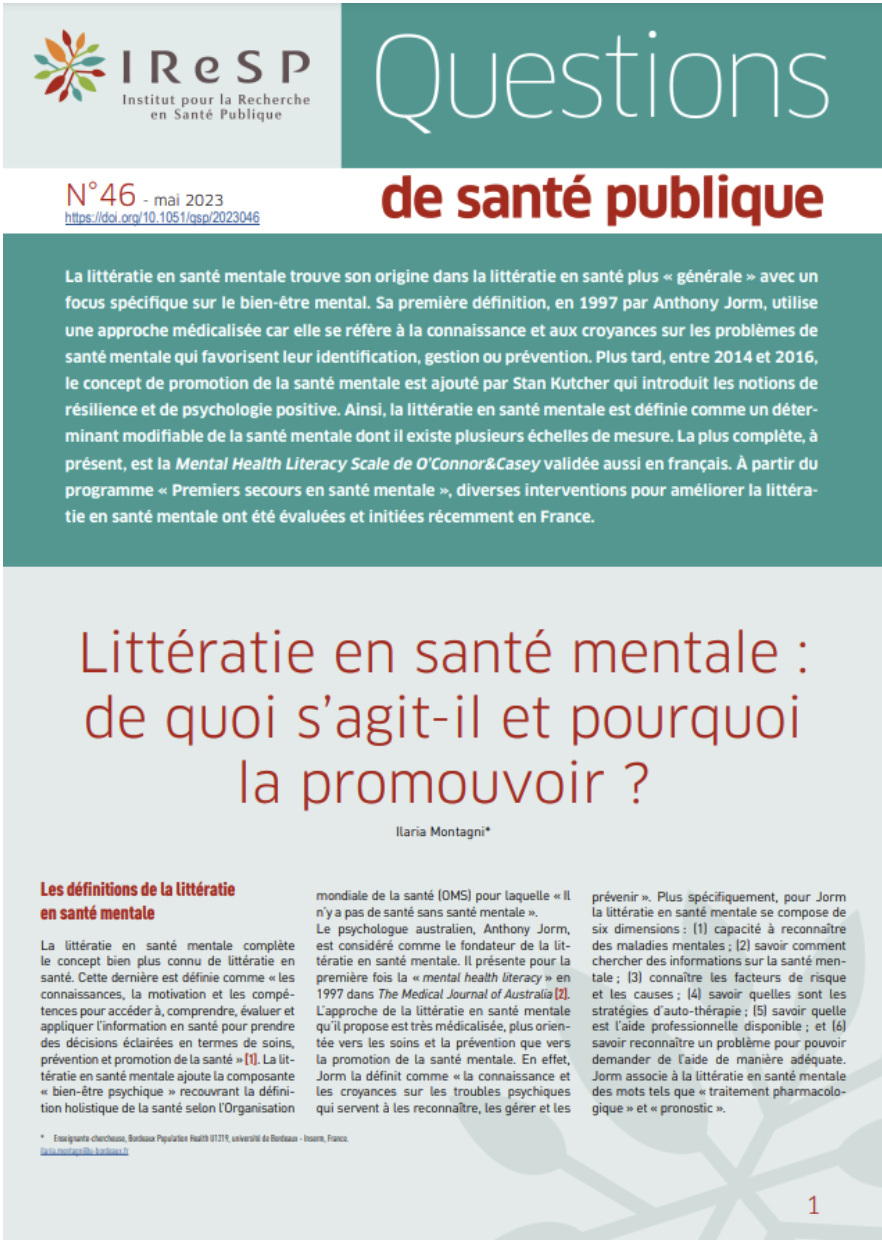
Mental health literacy (MHL) is a modifiable determinant of mental health. The “Child Focused Mental Health Literacy Model” describes the six dimensions of MHL in children: (1) understanding of mental health and recognition of its fluctuations; (2) help-seeking actions; (3) supports available; (4) influences on mental health; (5) coping and resilience; and (6) stigma.
Promoting children’s MHL means enabling them to better recognize a mental health problem, to seek help in a timely manner and to learn how to take care of their mental health. Very few interventions exist to promote MHL in children. Moreover, these interventions have not been evaluated using a rigorous design. Furthermore, a validated scale measuring children’s MHL does not exist.
Objectives: This interventional study has the dual objective of (1) co-creating an intervention and evaluating its effectiveness regarding children’s MHL; and (2) developing and validating a scale that measures children’s MHL. The 1st specific objective is to use several features to increase the effectiveness of the intervention: cocreation, theoretical basis, whole-school approach, multi-tools. The 2nd specific objective is to set up several steps to develop a MHL scale for children: definition and test of the items, administration of the scale to a large sample of children, psychometric analyses for the final validation. The 3rd specific objective is to conduct an evaluation study using multiple methods: viability evaluation, cluster randomized controlled trial, interviews (mixed-methods).
Methods: We study here the population of children 9-11-year old (CM1/CM2 in the French school system) in classes in urban and rural areas, private and public, in priority education areas and Ulis (localized unit for inclusive education). Through a participatory research approach, we will organize several meetings and focus groups with members of the project teams, children, parents and teachers plus two artists. We will cocreate a program composed of several objects (educational kit, videos, manual, etc.). In parallel, the artists will draw with children the items of a first version of the scale. The program will be evaluated in 5 classes by observations, interviews and satisfaction questionnaires with the aim of testing its viability. In the meantime, the scale will be administered to 300 children and psychometric analyzes will be carried out to validate the scale. Then, a cluster randomized controlled trial will be conducted in a minimum of 20 classes to evaluate the program. As the primary endpoint, we will use the score of the scale developed and validated in this project. Additional interviews will complete the mixed-methods evaluation.
First tools: Le Jardin du Dedans® and the Handbook Promoting Mental Health and Wellbeing in Primary Schools
PROMOTOR: Bordeaux Population Health U1219, Université de Bordeaux
PARTNERS: Psycom, The Ink Link, McGill University/Douglas Institute, Observatoire du Bien-être à l’Ecole/Université Lumière Lyon 2, Institut de Santé Globale/Université de Genève, Monash University, Universidad de Cádiz
Published protocol: https://www.researchprotocols.org/2023/1/e51096





 Les technologies de l’information et de la communication (TIC) font partie intégrante de la vie quotidienne des jeunes adultes et particulièrement des étudiants inscrits dans l’enseignement supérieur qui les utilisent largement dans le cadre de leurs études.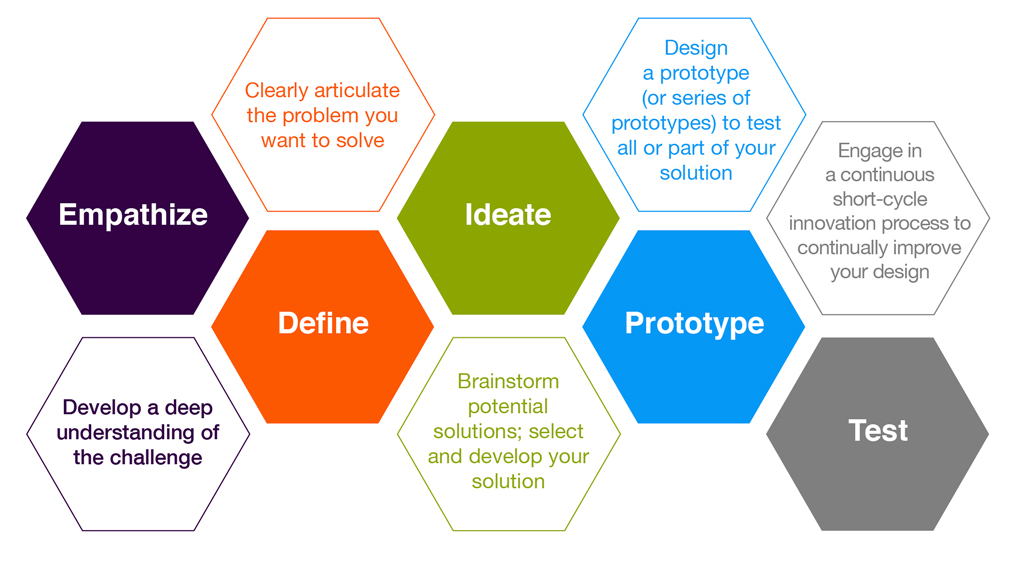
 Se-SaMe-Jeunes (Services et e-Santé Mentale des Jeunes / Services and eHealth for young people’s mental health) is a mixed-methods research project aimed to understand the current digital health use and expectations of students to implement effective digital health strategies addressed to them.
 Ce projet est lauréat de l’Appel à projet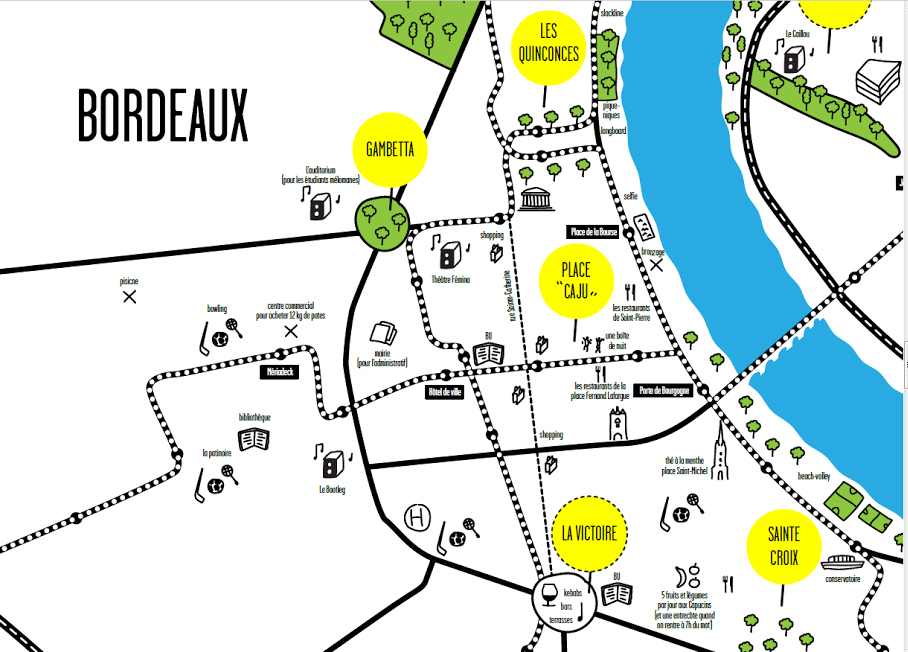

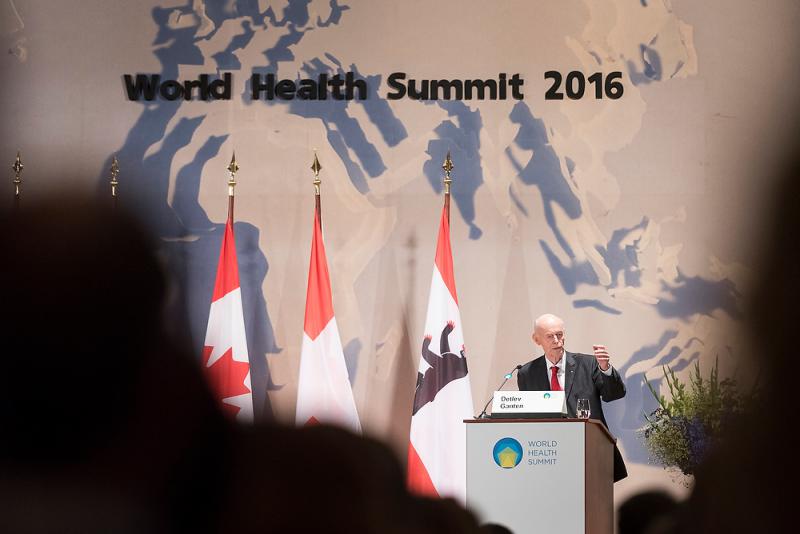 At the recent World Health Summit in








 Ilaria Montagni